
Opelousas Deserves a Voice Before the Bulldozers Roll Again
UPDATE December 1: The groundbreaking is yet to be scheduled.
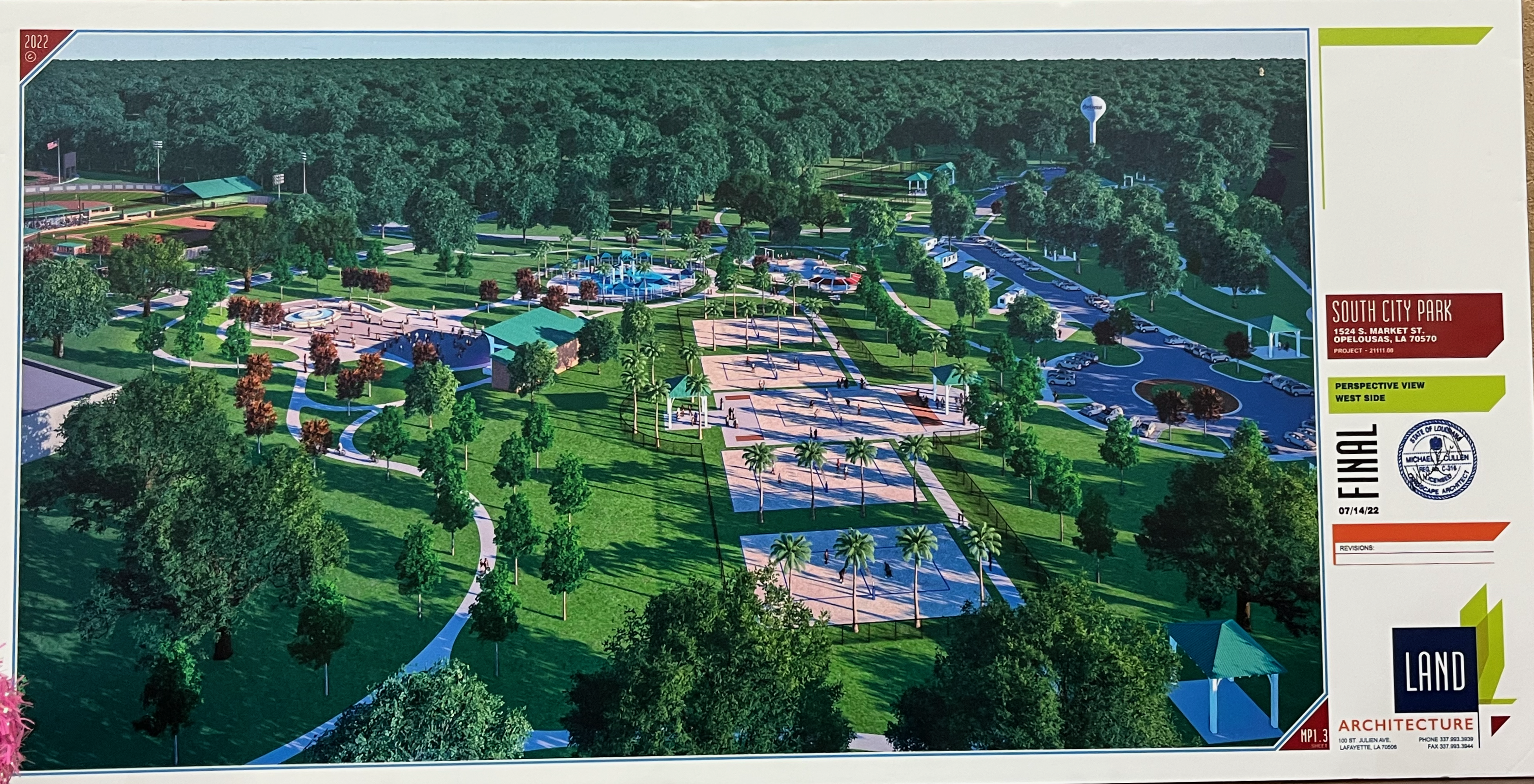
Any day now, the City of Opelousas is planning to hold a ceremonial groundbreaking for the proposed “multipurpose community center” in South City Park. I plan to be there, but city leaders already know where I stand.
What matters now is whether you will be there, and what message they see when they look out at the crowd.
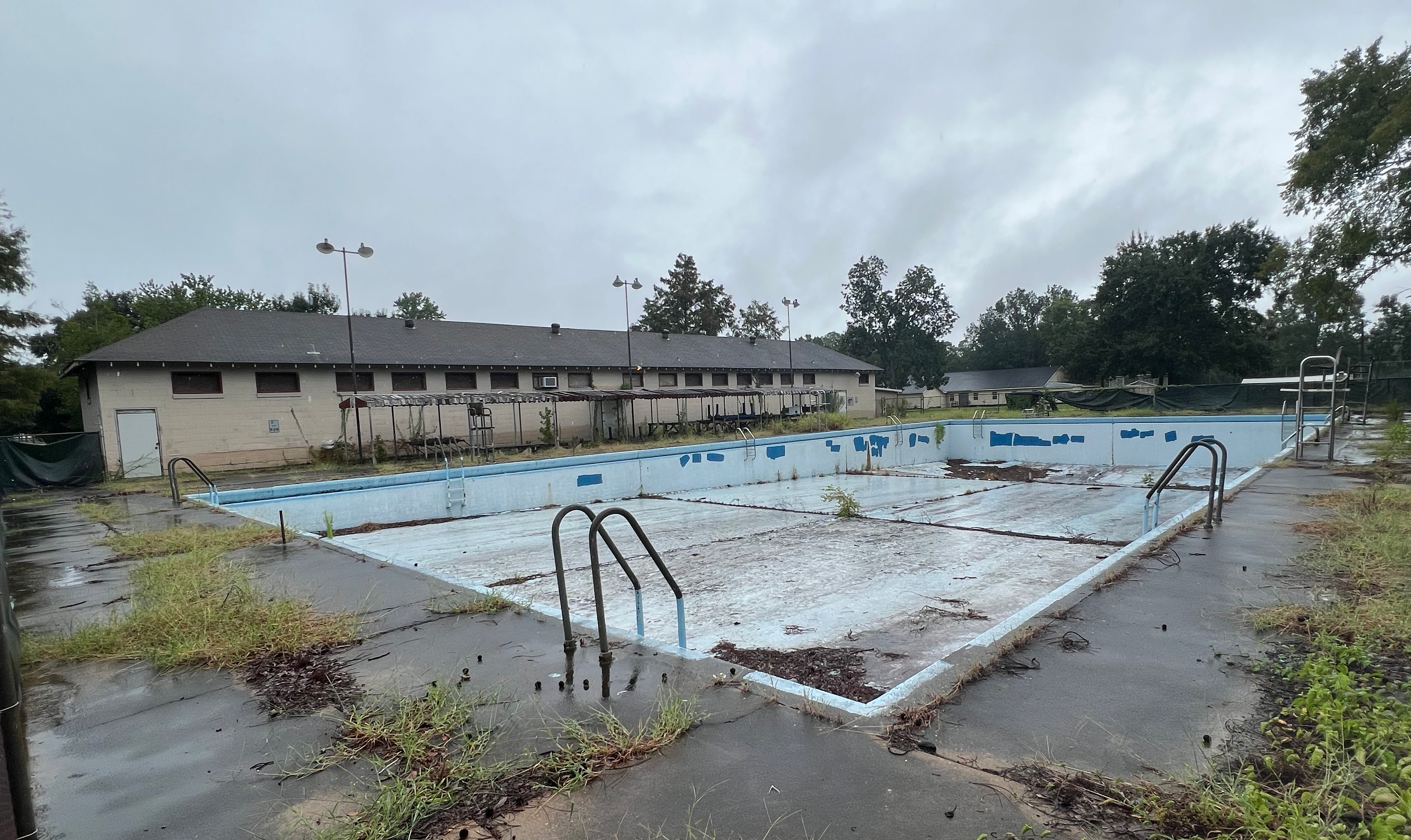
Because unless we speak up, Opelousas is on the verge of making an irreversible mistake: demolishing a historic WPA-era pool complex and paving over green space without public input, without transparency, and without meeting federal requirements that are supposed to protect communities from exactly this kind of reckless decision.
1. DEMOLITION WITHOUT REQUIRED FEDERAL REVIEW IS NOT LEGAL
The bathhouse and pool were built in 1939 by the Works Progress Administration—a historic public asset over 80 years old.
Any federally funded project that affects a historic structure must go through:
- Section 106 review1 under the National Historic Preservation Act
- Public notice and public comment
- Consultation with the Louisiana State Historic Preservation Office2
- Evaluation of alternatives (including sites that don’t require demolition)
None of this was done.
No public notice.
No hearings.
No historic review.
No alternatives analysis.
That is not just bad practice—it violates federal law attached to the funds they are using.
2. THE CITY CHOSE THE MOST EXPENSIVE AND RISKY SITE
If the goal is to build a gym or community center, there are multiple city-owned parcels that could host it with:
- no demolition costs
- no hazardous materials
- no historic review
- no environmental review
- better drainage
- lower site-preparation costs
Instead, the City chose:
- a site requiring demolition of a sturdy WPA building
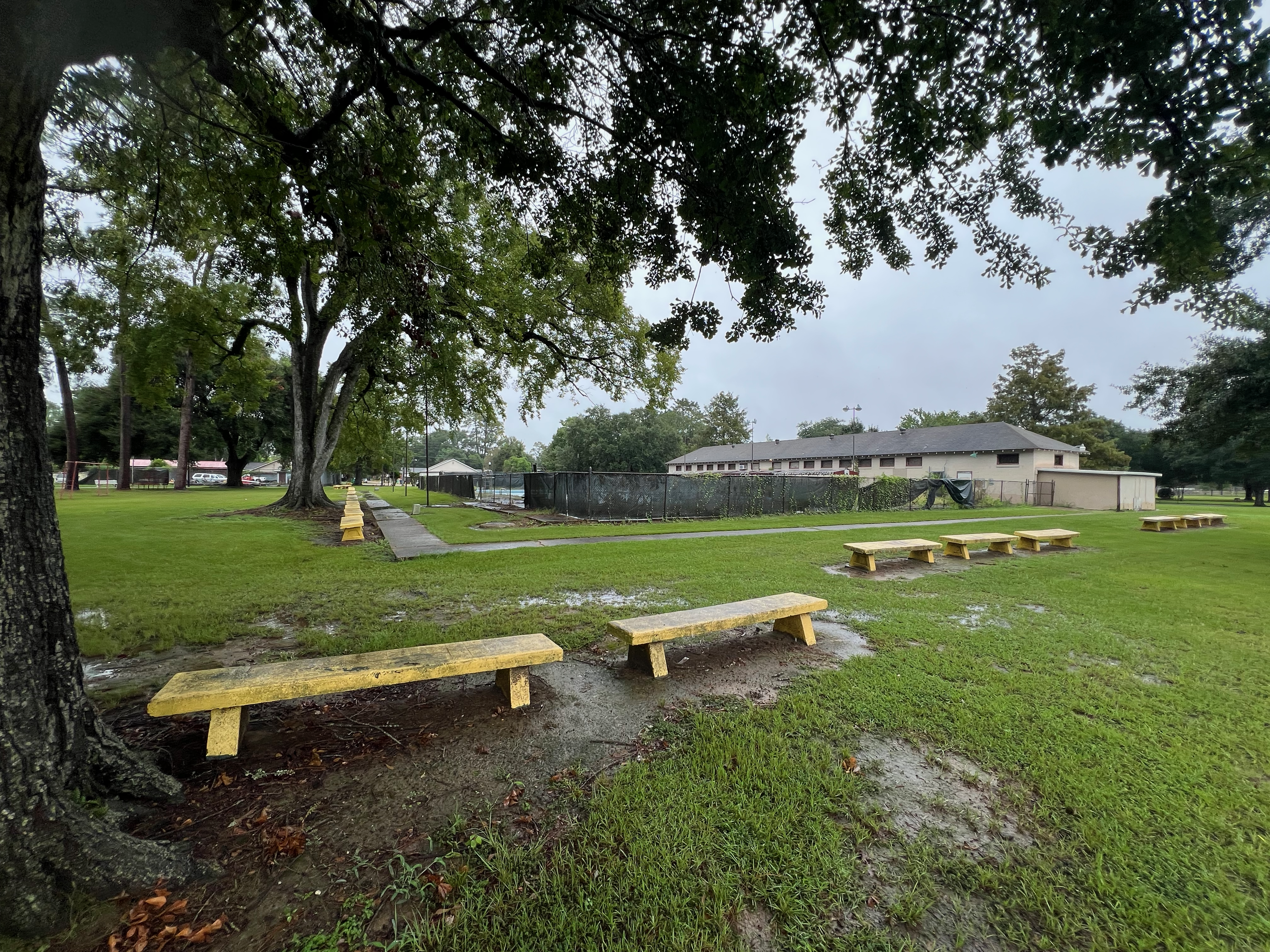
- the removal of healthy, mature trees
- potential drainage issues for surrounding areas and Bayou Tesson
- more expensive foundations and earthwork
- legal risk under federal environmental laws that could cause clawback of funding
- a more costly construction path
Under federal law 2 CFR 200.404, all federally funded projects must demonstrate “reasonable costs.”3 Since this project is monitored monthly with payments disbursed via invoices rather than upfront, an audit six months from now could identify issues and halt funds, potentially requiring the return of spent funds.
As of today, the city has received no money from the state. The process for payments to the contractor will hinge on the city’s acceptance of invoices for work done, followed by the state agency’s approval and verification of work. With this system, checks to the contractor are issued by the city after the state disburses funds. It’s often a slow and complicated process with many approval and verification speed bumps. I have post-Katrina experience as a contractor on federally funded programs administered by the state to municipalities, and this multi-step process can lead to slow payments. I hope the Lafayette-based contractor realizes this.
3. THEY NEVER ASKED THE PUBLIC WHY WE USE SOUTH PARK, WHAT WE WANT OR NEED
There has been:
- No park user survey
- No citywide needs assessment
- No analysis of youth sports demand
- No demographic or enrollment trend data
- No public workshops or listening sessions
Opelousas is making multi-million-dollar decisions without one shred of unbiased research. I’d refer you to the construction manual and bid documents that describe the project in detail, but the city never posted the request for proposals on their Advertisement for Bids page.
A project built on assumptions, whim, and envy for what wealthier communities have rather than evidence is destined to fail—and to cost taxpayers even more in the long run.
4. THE PARKS & RECREATION COMMISSION—REQUIRED BY LAW—HAS NOT MET FOR FIVE YEARS
The city charter requires an independent Parks & Recreation Commission to guide decisions on:
- park investments
- all planning and new facilities
- public processes and input
- setting annual budgets, programming and policies
- maintenance and upkeep
This body has been dormant since 2019.
Instead, decisions impacting the future of our parks—and millions of dollars—are made by a small, insular group of people, with no citizen oversight, no transparency, and no accountability.
5. ALL OF THIS IS HAPPENING WHILE THE CITY FACES A $1.85 MILLION HOLE IN ITS BUDGET
The city lost $1.85 million in revenue due to a four-month lapse in sales tax collection—an internal control failure because no one on the city’s payroll read the Legislative Auditor’s report for 15 years.
Instead of correcting course, tightening spending, or creating a public plan to stabilize finances, city leaders are:
- taking on new long-term operational costs
- committing to expensive facilities
- draining half of ODDD’s sales tax revenue for 10 years
- ignoring the budget crisis
This is not resilience.
It is not planning.
It is financial mismanagement at the moment we can least afford it.
WHAT YOU CAN DO: SHOW UP!
At this month’s ODDD meeting, a ceremonial groundbreaking “hopefully on December 2 at 10am” was discussed, but I’ve seen no announcements, and it’s not happening on that day. Ideally, they’ll post the plan. Then again, I suspect they only want to alert the news media and the small group of city and regional leaders who want to pave South Park into a plastic grass sports complex like Youngsville’s. Watch Historic Opelousas and Opelousas Downtown Development District Facebook pages for an announcement, and if I learn more, I’ll update this post.
In the meantime, city leaders need to see that this community values:
- parks
- green space
- historic places
- fiscal responsibility
- the input and voice of the public
This is not about politics.
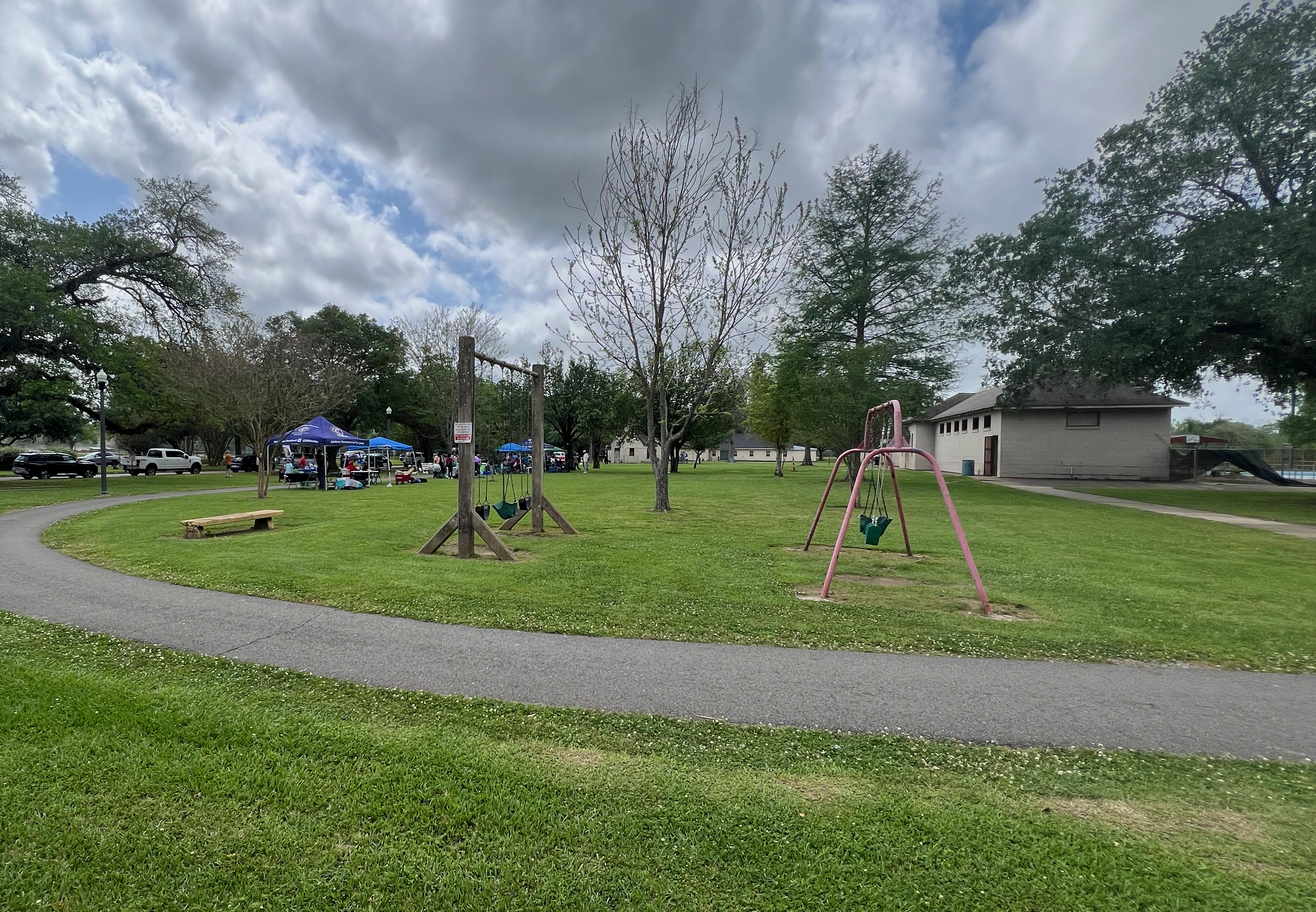
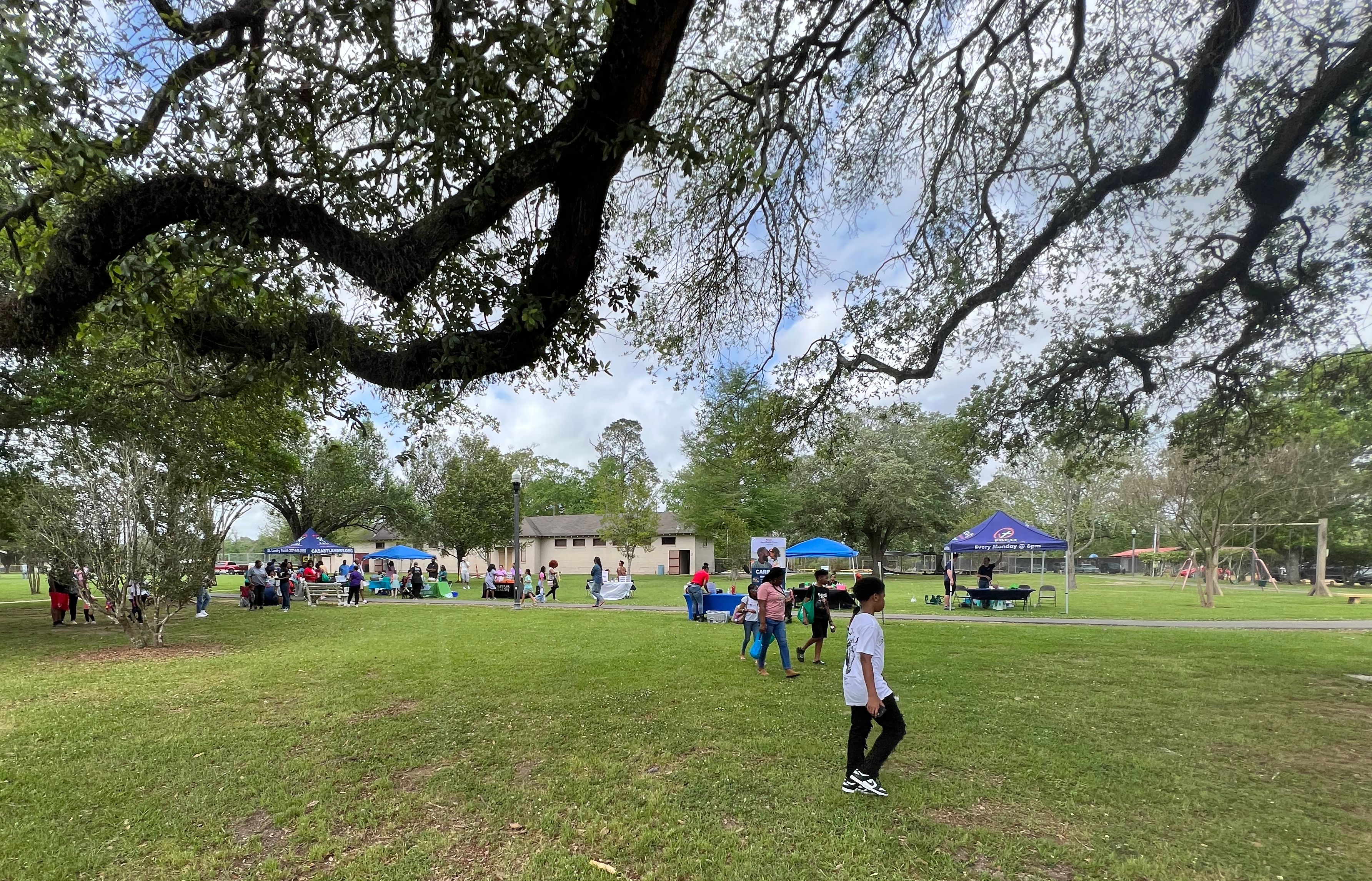
This is about our home—our most beautiful and inviting neighborhood park—our future.
Post comments on social media. Talk to your friends and neighbors. Show up. Bring a sign. Bring friends. Bring your voice.
Here are some simple sign ideas:
“DON’T PAVE OUR PARK”
“SAVE SOUTH CITY PARK”
“NO DEMOLITION WITHOUT PUBLIC INPUT”
“WHERE IS THE PARKS & REC COMMISSION?”
“LISTEN TO THE COMMUNITY”
“HISTORY MATTERS”
“THIS IS NOT COST-EFFECTIVE”
Stand quietly, but talk to the people there. Stand respectfully. Stand firmly.
Let them see that Opelousas is about all the people, not just a select few. That parks are for people of all ages and abilities. Natural spaces and learning about nature and gardening are the prerequisites for children’s health and well-being, and are more critical to developing life skills than indoor competitive sports.
Let them see that decisions made about our parks must include the people who actually use them!
If we don’t show up, they will say no one cared.
But we do care.
And this is the moment to prove it!
- https://www.achp.gov/protecting-historic-properties/section-106-process/introduction-section-106 ↩︎
- https://crt.state.la.us/cultural-development/historic-preservation/section-106-review/index ↩︎
- https://www.ecfr.gov/current/title-2/subtitle-A/chapter-II/part-200/subpart-E/subject-group-ECFRea20080eff2ea53/section-200.404 ↩︎
 NOLAmotion Blog
You must be logged in to post a comment.