Can Opelousas Afford to Spend Millions on Sports?

NOTE: This editorial was originally published on the St. Landry Now website on December 6, 2024.

Opelousas faces a daunting future as funds for food, health care, housing, infrastructure, and education are expected to dwindle. It’s time for the city to batten down the fiscal hatches and prepare for future challenges, starting with paring down plans to turn South City Park into a high-end sports complex.

The Opelousas Downtown Development District (ODDD) is to be commended for its efforts to upgrade sports facilities in South Park. The all-volunteer seven-member board invested substantial time and money and arrived at an ambitious Conceptual Master Plan that transforms the park into a modern team sports playground.

However, it’s unlikely that many people have seen the details because the plans aren’t posted online for public review and input. So don’t feel bad if you’re unfamiliar. 

The proposed first phases include stadium upgrades that call for paving several acres of green space to install impermeable, toxic, heat—and injury-inducing artificial turf and constructing a new multipurpose gym large enough to accommodate two full-size basketball courts. The football stadium updates incorporate a new regulation running track and numerous facility improvements. 

Construction bids for the stadium ranged from eight to twelve million dollars. The multipurpose gym is yet to be bid, but is estimated to cost another three to five million dollars. Thus, the two facilities’ total cost ranges from eleven to seventeen million dollars.

If completed, either project would be the largest non-infrastructure public investment in Opelousas’s history.

The city’s Parks and Recreation Commission, a thirteen-member body legally responsible for overseeing all aspects of park management, has been unappointed since 2019. Thus, too few people contributed to the development of the plans. 

The City of Opelousas and ODDD are eager to spend on these minimally researched plans, not only without the oversight of a Parks and Recreation Commission but without conducting thorough feasibility studies on operational, staffing, and long-term maintenance costs, park user surveys, or assessing potential demand and unintended pitfalls.

The ODDD website says its mission is “serving as a catalyst for economic growth and development in Downtown Opelousas” and that it will “plan and develop the designated commercial district to its potential, through economic development and historic preservation.” Dedicating more than a decade of ODDD’s anticipated sales tax revenue to high school sports-oriented park improvements during these uncertain times is a departure from that mission and from the city-adopted Downtown Master Plan. As it stands, this investment could lead to future financial stress for decades to come. 

Thanks to the new tax codes set by the Louisiana Legislature, in 2025, the top sales tax rate in the special taxing districts of Opelousas will hit an astronomical 11.75%, one of the highest sales tax rates in the nation. The big question is why the ODDD focuses so much of its time and future revenue on South Park and not on the business corridors it’s taxing and designed to help. 

We could save millions by working with the existing stadium, professionally restoring the natural turf field, and updating the scoreboard, lighting, lockers, and general facilities. Additionally, we should identify long-term funding strategies to establish a system for better field maintenance.

To put it plainly, for a poor community with crumbling infrastructure and struggling schools to invest future sales tax revenue in multimillion-dollar, limited-access amateur sports facilities that require the demolition of historic structures and the loss of green space is an unlikely path to community economic prosperity.

Parks should serve all people, no matter their age or infirmity. The parks and people of Opelousas deserve investment, but first, the Parks and Recreation Commission should be reinstated to ensure the development of transparent and equitable plans that benefit everyone.

The ODDD is focused on South Park at the city’s behest. Now that you’ve learned more about these plans, how would you direct the spending of millions of your sales tax dollars? Now is the time to let the mayor, council, and ODDD know.
Artificial Turf Sports Fields are Unhealthy for Children and Other Living Things

A thinly researched, more than eight-million-dollar plan to significantly modify Gardner Stadium in Opelousas, Louisiana, calls for artificial turf, a product developed for indoor fields that, when installed outdoors, creates a potentially deadly mix of heat, impact injuries, and toxic chemical exposures that threaten the health of players, coaches, fans, and the environment. 

Construction bids exceeded eight million dollars, so the Mayor’s office is working to lower costs. Natural turf is a good place to start since it is more affordable and, in the long run, produces a healthier facility that is less likely to cause injury, heat stroke, and future legal liability for the city, the Opelousas Downtown Development District (ODDD), and the school district.

An artificial turf field is basically an asphalt parking lot overlaid with thin layers of plastic carpet. Initially developed for the world’s first large indoor stadium, the Astrodome, “astroturf” was created out of convenience, not scientifically designed to improve the game but to make sports possible on an indoor, paved surface. It was not crafted (and has not successfully been improved) to reduce injuries or enhance performance; it was designed to endure. 

A natural turf field is a living surface of soil and plants that cushions athletes and exposes children to a healthy mix of microbes, moisture, and oxygen. The grass and soil of a natural field absorb and filter rainfall; when it lands on paved, plastic grass landscapes, it becomes a poisonous soup that contaminates streams and groundwater.

Artificial turf exposes players to impact injuries, extreme heat, and toxic chemicals that outgas into the air and are directly absorbed by their bodies via inhalation and scrapes and scratches known as “turf burn.” This abrasiveness is why many professional football players wear fabric tape over their elbows.

Globally, the deadliest weather phenomenon is heat, which kills more people annually than storms, floods, or cold. In a rapidly warming world, artificial turf fields put children, coaches, and fans at greater risk for heat stroke that can permanently damage brains and other vital organs. These fields can easily reach deadly temperatures of 130 to 150 degrees or higher on a ninety-degree day, creating a potentially fatal scenario. Last August, there were thirty-five emergency calls for heat stroke at a single UL-Lafayette football game. 

It should come as no surprise that heat-related deaths of high school football players are happening, with five fatalities in just three southern states since July 2024. Those teenage boys died simply because they wanted to play football; they were failed by adults who had the responsibility to protect them.

Adding to heat risk is the fact that because the plastic turf is underlaid by asphalt, injuries like concussions, blown knees, and shattered ankles occur at a much higher rate than on natural grass. This rate of injuries is the primary reason why ninety-two percent of the members of the NFL Players Association voted last year to demand that all thirty NFL stadiums install real grass. Professional soccer players agree, and the World Cup is played on natural turf.

The health threats of synthetic turf fields are myriad. Plastic grass is flammable and impregnated with fire retardant, often a “forever chemical” proven to cause cancer. Shredded tires are spread over the turf to keep the “blades” up and add additional cushion. This infill also contributes to airborne microplastic pollution and yet more potential for cancer, lung and liver damage, and other developmental problems.

Because these harms are now more commonly known, the city could face future lawsuits by parents whose children become permanently impaired because artificial turf was chosen as a convenience even though professional footballers reject it as dangerous. 

The decision by the mayor and the ODDD to stick with the current plans is guaranteed to end the careers of high school athletes randomly for decades and add the potential for cancer and other diseases later in life. In the years to come, those teenagers who suffer concussions, blown knees, shattered ankles, and failing health will find that their suffering might have been prevented if the city and ODDD had done their research and listened to the science and the professionals.

Sports like football, baseball, and soccer were invented outdoors, where weather and field conditions add their wildcard impacts to the game. Children need contact with grass and soil to build their immune systems, and they deserve to play in as much safety as science, budgets, and our loving care allow. Keeping the grass in Gardner Stadium is a simple way to save money and protect future generations, and that’s what we should all expect from our public leaders. 

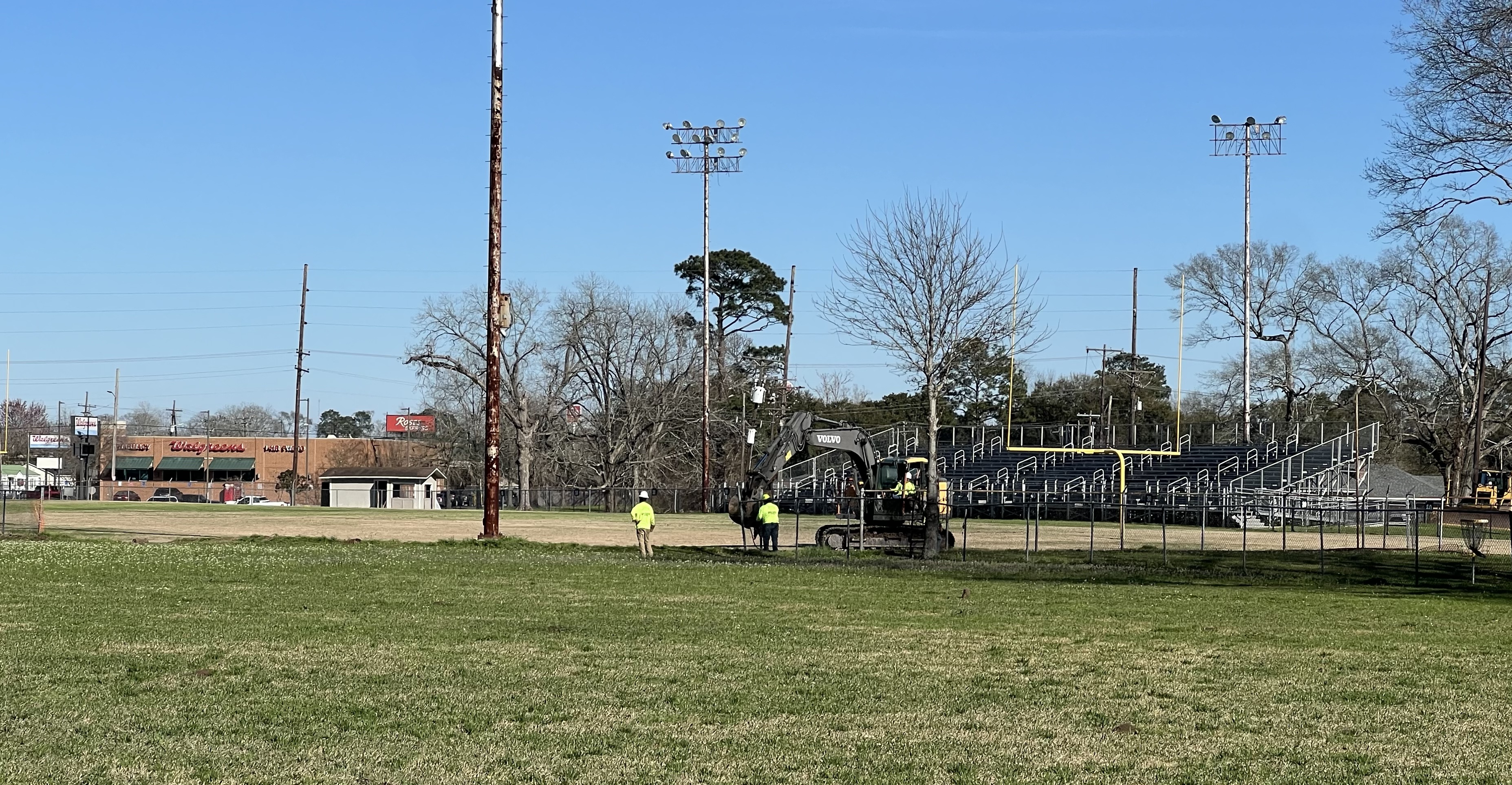
Workers removing fencing as construction begins on Gardner Stadium in Opelousas, LA, Feb. 17, 2025.

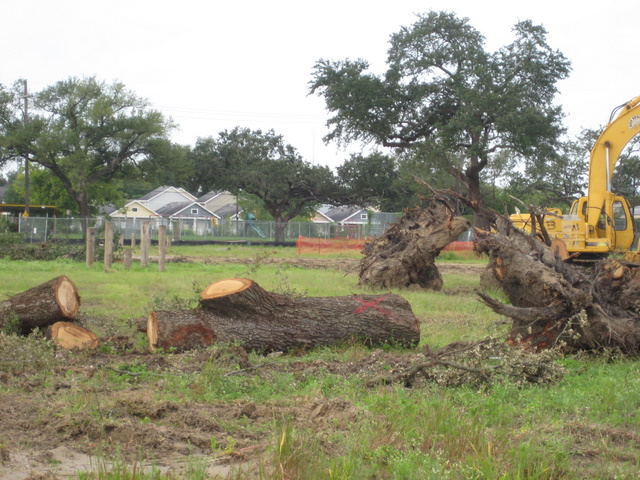
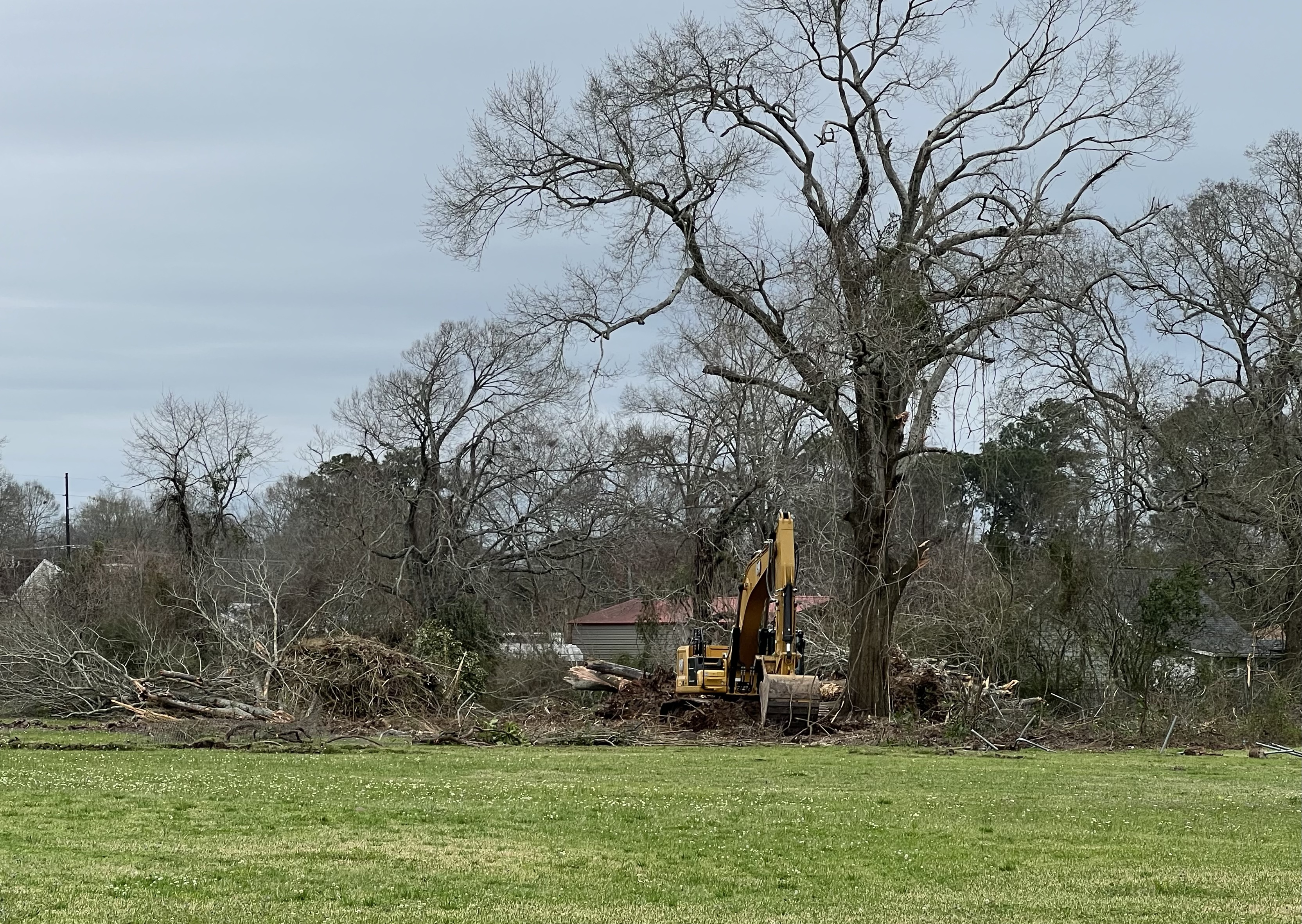
The first step always means loss of greenery. A stand of mature trees being destroyed by the construction at Gardner Stadium on Feb. 18, 2025.

2023 Update #1: A climate migration in the works

Managing multiple websites is challenging. Between this one, my work, my music, and the plethora of (increasingly fetid) social media, it can be overwhelming. I’ve stopped posting on FB, though I spend too much time perusing it for the rare gem of information from people I care about. And the mixed bag cesspool that Twitter has become? Well, I’m not alone in lamenting its state. So this long overdue update is the first step in reorganizing my online presence and the availability of things I’ve written and plan to write. And do I ever have a lot to say!

Between the hate-fueled headwinds of the latest rise of fascism and white supremacy to the rapid decline of the biosphere, these are tough times and only getting tougher. When viewed through the eyes of my aging body, today’s trends are quite depressing. However, I haven’t lost my desire to be force for good, and this post is a reiteration of why this website exists.

So much has happened to all of us since the start of the pandemic, and so much is happening to our planet this year that I almost don’t know where to start. So I will keep this post focused on personal news, though I have a music update as well.

First, I want to let y’all in on our plans. In December 2022, we sold our beloved home of 17 years because I have no confidence that my basic income can handle rising insurance rates or the risk of losing everything to another storm or flood. We’ve been renting a much smaller house in the same block while looking for a place to buy on higher ground in Acadiana, specifically in Opelousas, the state’s 3rd oldest city. We consider ourselves to be climate migrants, albeit with the wherewithal to do it voluntarily.

It’s painful to move from a city I love like no other. As of July 4 I’ve lived in New Orleans for 32 years (and with Grasshopper for 20), and nowhere else have I felt so connected to a place or so much a part of a living landscape and community. I’m awed to say that over the years I’ve added a few fibers and threads to the rich quilt of New Orleans/Bulbancha history, and I’m grateful beyond words for the people, experiences, and quality of life I’ve been blessed to have in this unique city.

We grieve as we plan this departure, but we must leave our emotional comfort zone and push ourselves to continue to make a difference where we believe we can, something we’re all having a hard time with as the climate bounces into unknown territory.

It’s not just the climate risks that triggered this decision; it’s also that our work here has grown up. For more than a decade, Grasshopper and I did our best to catalyze the movement to embrace integrated water management, green infrastructure, and the water economy. Myriad organizations, state and regional government, and people have now coalesced around the power of water, and the momentum is growing. Over the years that we were public figures, what Tim Williamson once called “the Johnny Appleseeds of the water movement,” we had inconsistent and inadequate financial support. And in 2017, after we released “The Louisiana Water Economy: Our Shared Destiny,” we pivoted to focus on building our company, Adaptation Strategies.

I don’t want to sound maudlin because I know I’m privileged and fortunate to be in the position I’m in, but I am sad and anxious, feelings that haunt us all as we age and as the world burns. But I have a lot more to say and do. So I plan to use this site to encompass a broader perspective of my writing, past and future, and this post is a first step. And Grasshopper’s idea for re-branding this blog works: NOLAmotion now stands for New Orleans-Opelousas Louisiana (I know, that’s NOOLA but that doesn’t sit right with me).

Grasshopper and I remain committed to Louisiana, and this move will allow us to work on other issues that we’ve long wanted to address regarding health, aging, the environment, and the well-being of smaller towns. Plus I’ll be closer to Dockside Studio, where Bas Clas continues to make music. In fact we recently released a live recording from 1988 and have more to come. If all goes as planned, we’ll be building relationships between New Orleans and Opelousas, so you’ll have friends only two hours away. For now, thank you for reading this, and stay tuned!

The Bodhisattva of New Orleans

From 1992 to 2005 I was blessed to be assistant director of the Louisiana Music Commission, working under the excitable and inimitable Bernie Cyrus countered by the grace and wisdom of Chairman Ellis Marsalis. I can’t begin to describe what an amazing time it was. We had many discussions about the fragility of our music legacy, built upon so many older musicians. Despite the fact that in the 1990s we enjoyed another big run at the top of the charts due to the popularity of Louisiana-born pop, country, hiphop, and jazz stars of that decade, the music they played didn’t have the impact or potential longevity of our R&B and funk era, and nobody was more important to that legacy than Allen Toussaint.

If Louisiana music was a sport, Allen was our MVP. Nobody could touch him for his productivity and impact. As a songwriter he was peerless. As a musician he was uniquely gifted with his own distinctive piano style, horn arrangements, and sweet voice. As a writer his soul was a reflection of the Universe. Every song seemed connected to an optimistic spirituality that made saints blush of embarrassment for their inability to be so consistently good-hearted and inspiring.

A Bodhisattva is an enlightened spirit who forgoes Nirvana to share their gift with the material world. I realized many years ago that this was Allen—the Bodhisattva of New Orleans. This factor is one of the most meaningful reasons why I live here: this city, with all its paradoxes and dangers, produced Allen Toussaint.

In his 77th year, Allen’s spirit chose to join the light from which we all come. Our challenge is to endure without him, to remain optimistic about our roles and goals, and to stay connected. I know we can make it. I know that we can.

Thank you Mr. Toussaint.

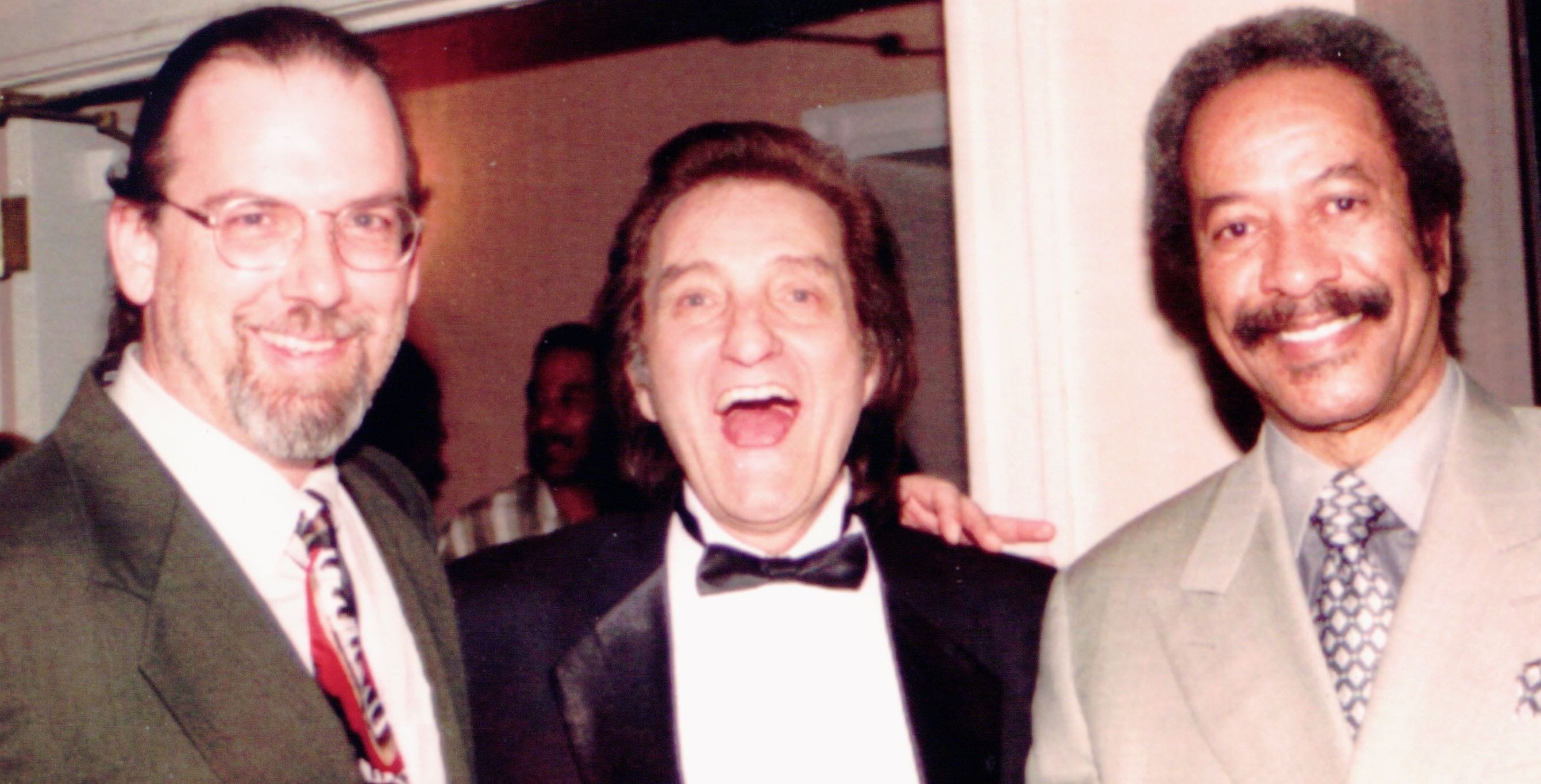
At the late Timothea's Siren to Wail Hep C benefit in New Orleans, approx 2002
At the late Timothea’s Siren to Wail Hep C benefit in New Orleans, approx 2002

Old Mandeville Oak Falls in the City and People Don’t Hear the Truth

A story in the Times-Picayune tells the sad tale of the death of yet another benevolent giant live oak in Louisiana. This time, it was a revered tree in Old Mandeville, killed by the usual suspect–humans. Yet the writer and the so-called expert got it all wrong. This tree did not die a natural death, it was a slow-motion murder by pavement and development. It didn’t have to happen, and it doesn’t have to continue to happen, but it will.

We lack the common sense to be responsible stewards of our landscape. To some, this isn’t a big deal. But the fact is, we will die if we continue to fail to address our ignorance. That tree is just one of thousands of ancient oaks lost to development. In too many cases, “tree coffins,” those concrete boxes in the sidewalk or parking lot in which we expect trees to “live” are ultimately the cause of their deaths.  You see it everywhere, from downtown streets to mall lots, older trees getting scraggly and dying in these small set-asides. It’s just plain stupid.

I’d love to do a documentary on this subject if anyone out there is interested in helping. It’s long overdue.

Here’s the article: http://www.nola.com/politics/index.ssf/2014/08/300-year-old_madisonville_oak.html

And here are the comments I posted:

It is clear that development under the canopy is what killed that tree. To have a concrete curb within mere feet of the trunk means that the root system was damaged, ripped up and smothered by paving. The number one cause of the death of urban trees is soil compaction. Older trees, that grew without interference for decades, are particularly sensitive to disturbance of their root zones. Think of a tree as a closed system where the roots recycle the fallen leaves and act like both lungs and intestines, processing nutrients, water and air in a metabolic system. Then imagine machines, shovels, people, digging, covering, and sealing this system. It often takes decades for these trees to die. 

Look at the large trees in Old Metairie, surrounded by pavement. They are spindly, which means the tree is shutting down branch systems in its attempts to adjust. Trees are like submarines or ships with watertight doors that close to protect the rest of the vessel. When you see dead branches, those branches are shut down and will not become leafy again. 

That tree in Old Mandeville was murdered by progress. It died a slow and public death. It did not die of old age. It died of ignorance, neglect, and by the assault of human development. 

The good news is that we know better and can do better. But it is too late for many of these sentient giants in whose branches we can sense the touch of the divine. Older trees need and deserve protection and that means public policies that honor their roles in the health and wellbeing of the land that supports and nurtures us. We need to give older trees space. The top 18 inches of soil where most of the life-giving aspects of biology give rise to not only trees, but us. We need to understand that soil is alive and that trees–and humans–need healthy, loose, alive soil if we are to thrive. 

Guidry is wrong. It was somebody’s fault, a very long time ago, when they failed to care about the space that tree needed, and put concrete and pavement over its roots, and began a process of starvation and strangulation that weakened it and caused it to die sooner than it should have. We killed this tree, probably generations ago, when we built the roads and sidewalks over its most sensitive space, its root systems.

But it’s not just about protection, if we are to have good public infrastructure and healthy communities to serve future generations, we need to understand that we must put the right tree, in the right place, planted at the right time. And that means a broader variety of native species, not more crape myrtles, and not live oaks planted in small spaces between sidewalks and roads and under power lines. This, too, is foolhardy.

Until we become better educated about tree biology and implement policies that protect older trees and guide future plantings, many more will die. And we lose something of ourselves every time.

And here’s a picture of a tree killed by development after Katrina, since this article needs a dead tree and I’m not going to use the T-P’s pic.

One of the more than 30 mature oaks destroyed by the redevelopment of the Lafitte Projects on Orleans Ave.

Bas Clas Releases New CD “Love Food Sex Peace” with Special Show at Chickie Wah Wah in New Orleans

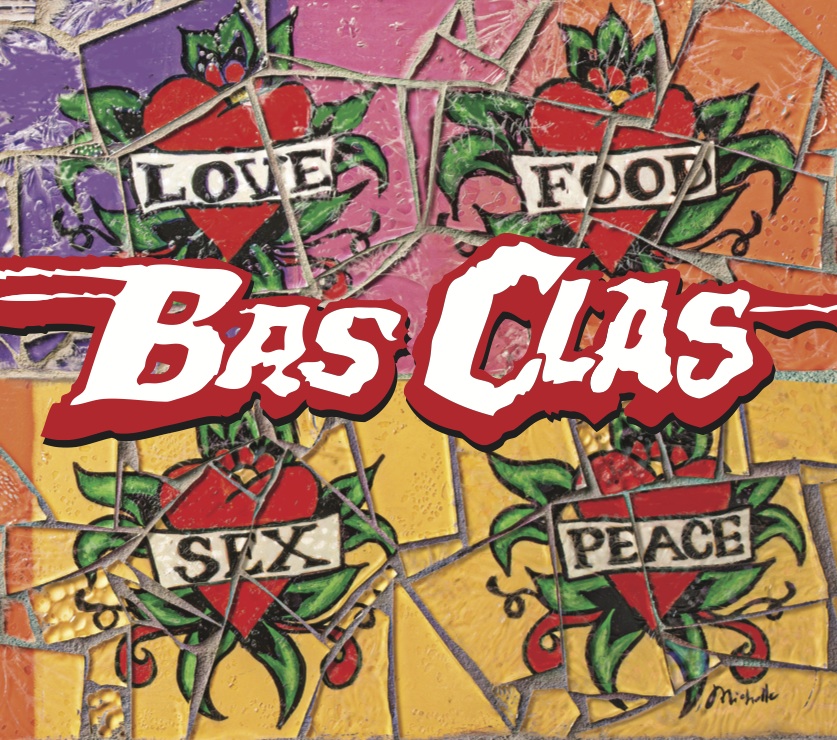
BasClas2013CDMainCover

Santa made the rounds early this week, delivering the latest Bas Clas CD Love Food Sex Peace to audiences in New Orleans. The 7 song disc features five new songs and two tunes familiar to longtime fans. As with the band’s previous release Big Oak Tree, an Offbeat Magazine Top 50 CDs of 2012 and a nominee for their Best of the Beat awards as Best Rock Album, “LFSP” was recorded at the legendary Dockside Studio and engineered by Grammy-winner David Farrell. Produced by Bas Clas, David Farrell and Steve Nails, the new CD features guest musicians Eric Adcock on keyboards, Jonno Frishberg on fiddle, Roddie Romero on accordion, and Dickie Landry on sax. Backing vocalists include Leslie Smith, Mike Picou, and on the song “Goodnight,” harmony ninjas Susan Cowsill, Alexis Marceau, and Sam Craft. The CD cover art is derived from a stained glass piece by the bassist Geoff Thistlethwaite’s wife Michelle Fontenot.

The band will make the disc available to the public at a special year-end show at Chickie Wah Wah in New Orleans on Friday, December 27. We’re blessed to be able to wrap up an eventful 2013 by releasing this CD at our last live gig of the year. The CD will be available at the Louisiana Music Factory, CD Baby and on iTunes in the coming days.

Bas Clas at Bayou Boogaloo on a Beautiful Saturday in NOLA

My band, Bas Clas, takes the Dumaine Street stage at 6pm Saturday, May 18 at the Mid City Bayou Boogaloo for a 90 minute set. Guest musicians include Leslie Smith on vocals, and a brief but very special guest appearance by Jonno Frishberg and Kevin Aucoin. We’re warmed-up and ready to rock, so it’s going to be a good show. Louisiana Music Factory will be there selling our CD and there’s tons of food, arts, crafts and more. This is one of the city’s finest festivals, on the banks of Bayou St. John, and we hope to see lots of friends and make new ones.

The band also spent the past couple of days working with David Farrell, one of the best audio engineers in the world, on our latest batch of songs. We plan on releasing more music in October, so stay tuned!

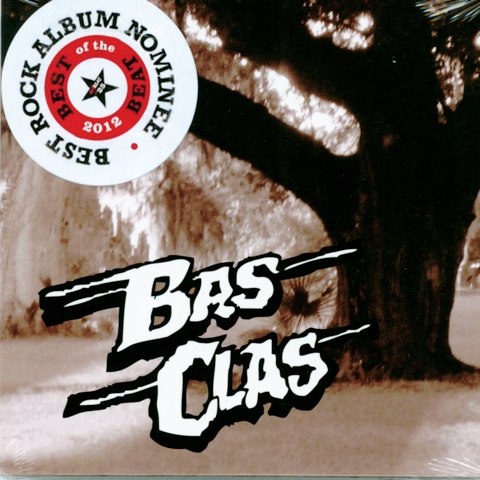
BCCDcovsticker5.18.13

2013 Starts Off Strong

Though I crossed into the New Year with a case of shingles that hit at Christmas, it’s going to be a great year. I could easily write an extensive blog (or perhaps a book) about what it’s like to deal with shingles. I documented it well and believe that I have a responsibility to share what we learned. But the pictures aren’t pretty and I’ve got lots to do, so it’s going to have to wait. There’s lots to report as the year gets going, though. So here’s a quick overview.

I was so happy with the Bas Clas gig for MOMS Halloween that I never posted the fact that on October 19 I was “Jindalled.” My position as the one and only Sustainable Housing Agent with the LSU AgCenter was eliminated. And yes, that means I don’t have health insurance right now and paid cash for my medical care in treating shingles. I haven’t added it all up, but I guess it’s around $350 so far.

The cuts to higher education and health care in Louisiana are criminal. People are dying. And, when they’re dying they aren’t going to have hospice care at home, because Jindal cut that, too. His administration is heartless. They are destroying Louisiana government, health care and education. Shame on them. My sincere prayer for 2013 is that the people of Louisiana wake up and throw these cold-blooded bums out. But then, that all-too-often is my prayer for Louisiana.

Nevertheless, there are many good things happening in my life these days. Besides being cared-for by the most amazing person I’ve ever known and loved, other wonderful events and activities are on the agenda in the coming weeks. For the band, things just keep getting cooler and cooler. We are an Offbeat Magazine Best of the Beat Nominee for Best Rock Album! Thank you!

Bas Clas is also the subject of documentary filmmaker Pat Mire‘s latest efforts. He started shooting during our recording sessions at Dockside Studio back in August, and will shoot our upcoming show at Grant St Dancehall in Lafayette LA on Saturday, January 26 for the 8th Annual Cinema on the Bayou Film Festival. Yes indeed!

To launch into the New Year as entrepreneurs, Grasshopper Mendoza and I formed NOLA Vibe Consulting, and we’re busy as ever working on the 2013 Water Challenge, and co-chairing the Horizon Initiative Water Committee. And I’m getting ready to take another course (only 1 more and a thesis to go for a Masters in Urban Studies) at UNO.

2013 is going to be a great year!

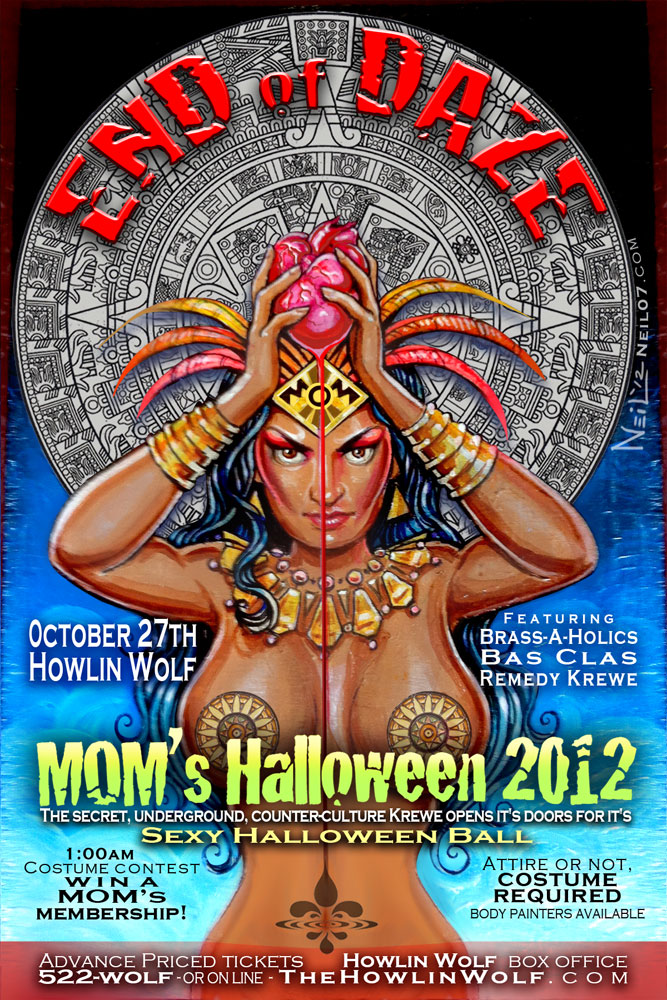
Bas Clas to Rock the End of Daze

The End of Daze are upon us. Saturday, October 27, 2012 is the official date chosen by the Enlightened Ones of the Krewe of MOMS to open to the world the chance to join them in costumed revelry as they dance in the face of doom to celebrate the End of Daze. Bas Clas is one of the triumvirate of musical mystics chosen by the priests of pleasure to sound the alarm and sing the songs that will shake the foundations of the Temples of the Prudes.

Taking the altar at the start of the night, Bas Clas will begin the sacrificial rituals with music and dance at the musical temple of The Howlin Wolf in New Orleans.

Asked whether the music can indeed turn the tide at this late hour, a not-to-be-named mystic said, “These are dark times. We shall prevail, and if this is not to be, we shall dance until the end.”

MOMS Halloween 2012, the End of Daze will soon be upon us.

Bas Clas to Release 7 Song CD “Big Oak Tree” on Earth Day, April 22

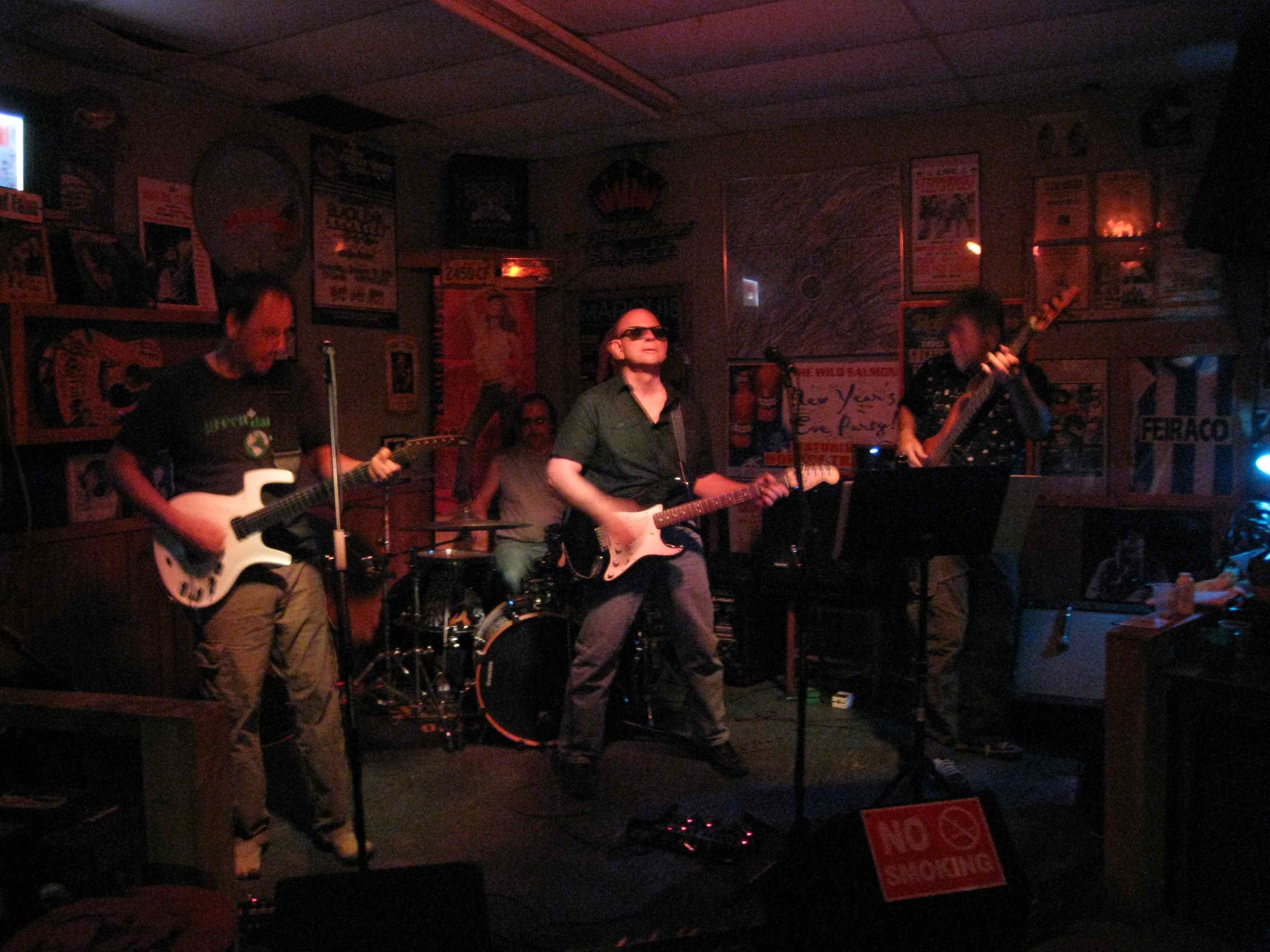
Bas Clas at The Wild Salmon, Aug 2011

It’s official. The first new recordings by Bas Clas  in more than 20 years will be released on Earth Day, Sunday April 22. The 7 song CD is titled “Big Oak Tree” and features a mix of old and new songs all recorded at Dockside Studio in August 2011 with engineer David Farrell. Featuring an expanded lineup that includes Eric Adcock on keyboards, Dickie Landry on sax, and backing vocals from Leslie Smith and Mike Picou, the tunes range from crunchy rockers to a Cajun-flavored tale of life and loss (from which the title was gleaned) that features Roddie Romero on accordion, David Greely and Mitch Reed on fiddles, and Christine Balfa on triangle. The band will be performing at Festival International du Louisiane in Lafayette on Thursday, April 26 at 6pm and the following night (Fri, Apr 27) at The Wild Salmon, also in Lafayette.